
Technical buyer
Define the evidence needed to release an engineering grade
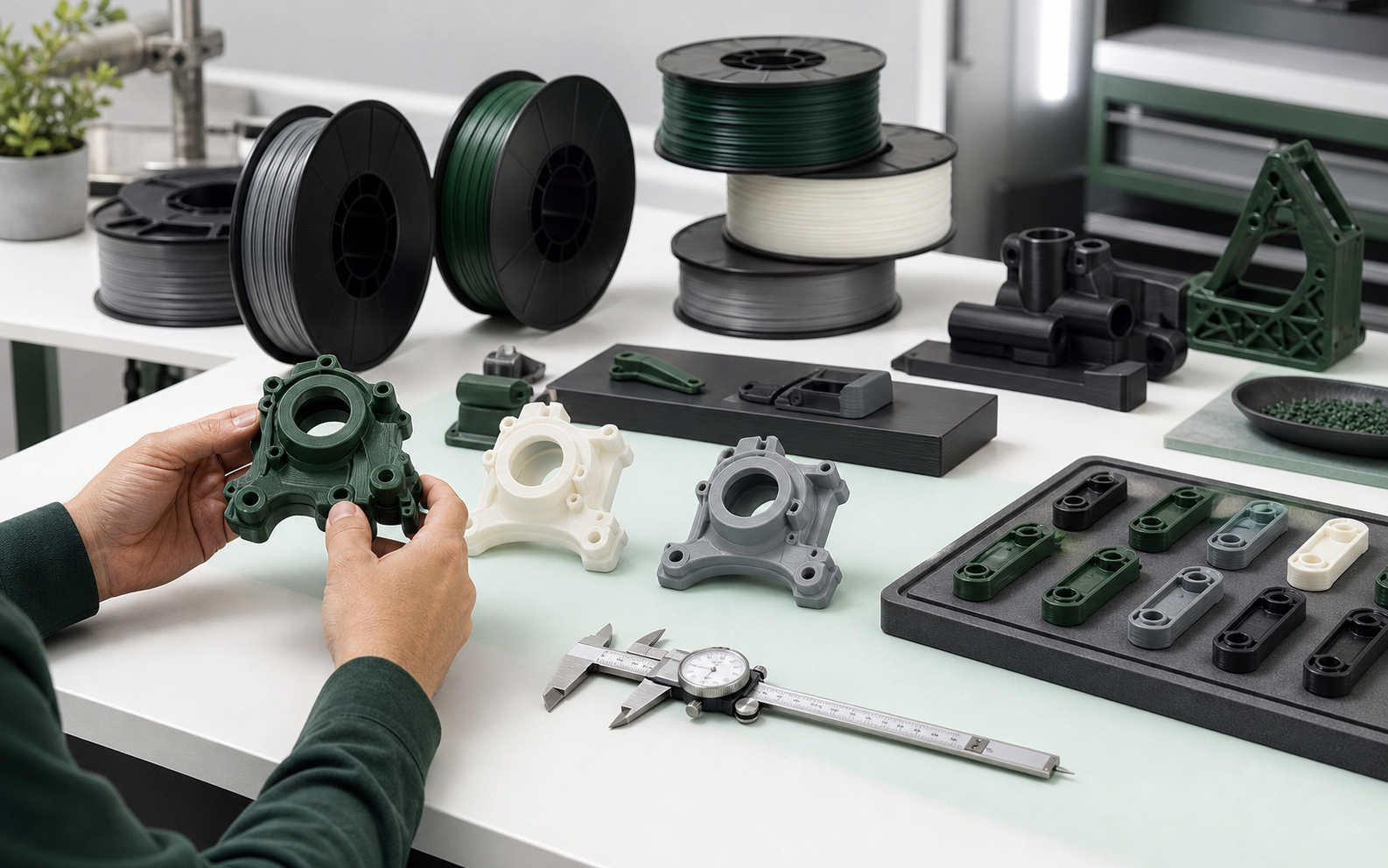
Challenges
A useful program starts by separating the business decision from unsupported assumptions. This pattern highlights the gaps a buyer should close before requesting volume supply.
- Material names do not qualify applications.
Application, equipment, part geometry, process, and handling conditions must frame any proposed grade discussion. - Generic values and documents can create false confidence.
Catalog references and general documents need review against stated conditions, evidence needs, and open questions. - Release checks and deviations need definition.
Reviewers need named checks, record requirements, ownership, and a route for unresolved deviations before release discussion.

Keep the selected grade, representative printed sample, approval owner, and repeat-order reference together before commercial supply is confirmed.
Solutions
Engineering material selection begins with the application context rather than a generic material name. Novtau can collect the intended part, printer or process references, environmental conditions described by the requester, geometry considerations, handling expectations, and documentation questions. Bringing these inputs together provides a defined scope for discussing relevant grades without suggesting that any material is already qualified for a particular use. The shared record can also identify source documents, revision dates, contributors, evaluation questions, expected review sequence, component descriptions, geometry files, setup notes, packaging context, visual references, and unresolved conditions requiring specific clarification across the relevant review stages.
The review record can identify candidate material families, nominal filament diameter, color or visual requirements, sample references, drying or handling notes provided by the requester, packaging preferences, and the documents requested for evaluation. It can also list the acceptance method, responsible reviewers, and deviations that need clarification. This approach helps keep technical conversations tied to stated conditions instead of assumptions, generic catalog language, or unsupported application claims. It gives participants a shared location for references, questions, and review status over time.
When a program is ready for a more detailed inquiry, Novtau can assemble the current inputs, requested documents, sample identifiers, and open technical questions into a release-oriented handoff. The handoff records the discussion state and next review points; it does not certify performance, compatibility, compliance, supply, or commercial terms. It may also retain version information, source links, named reviewers, and outstanding actions for coordinated internal follow-up later.
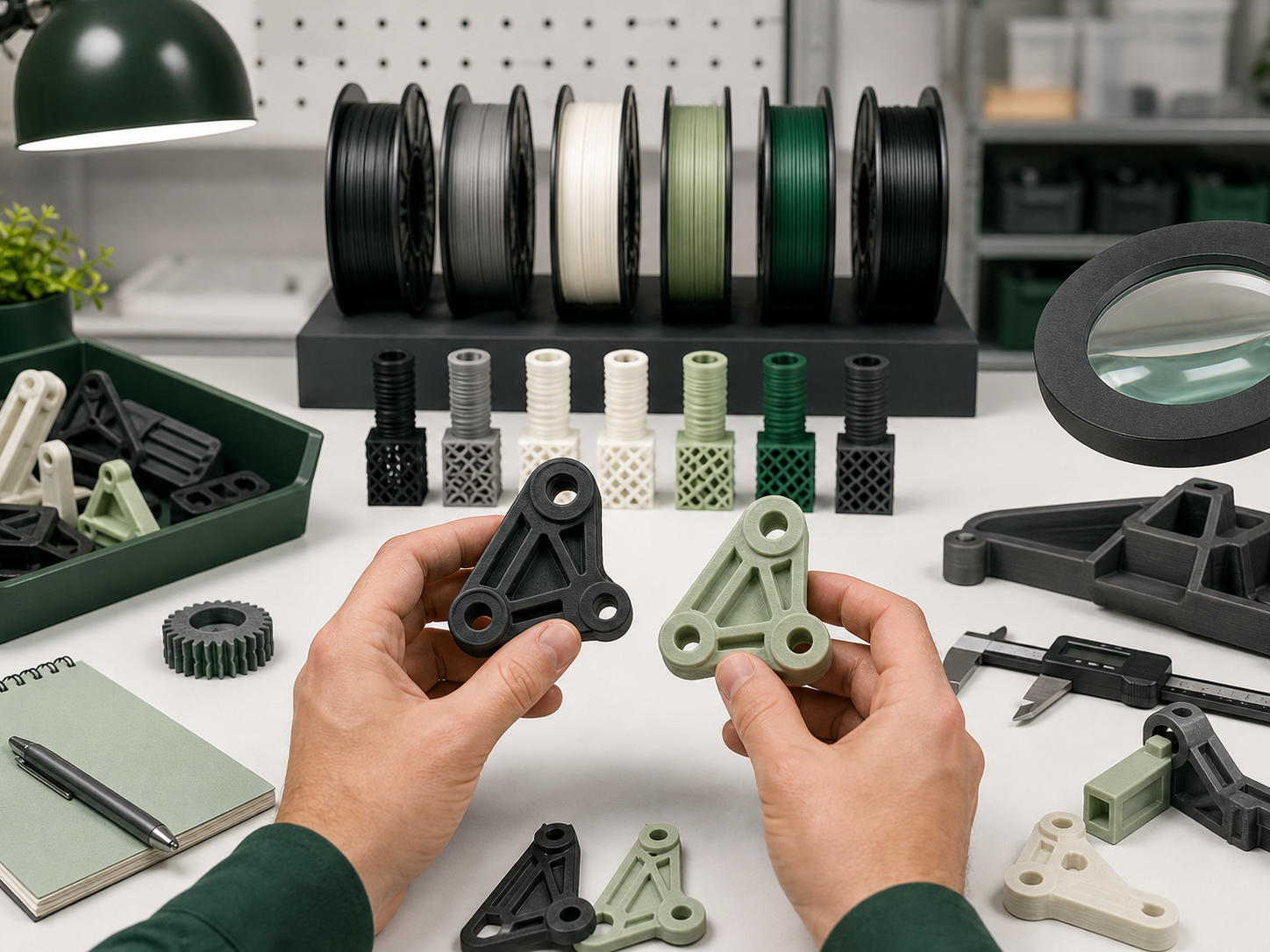
Grade and application inputs
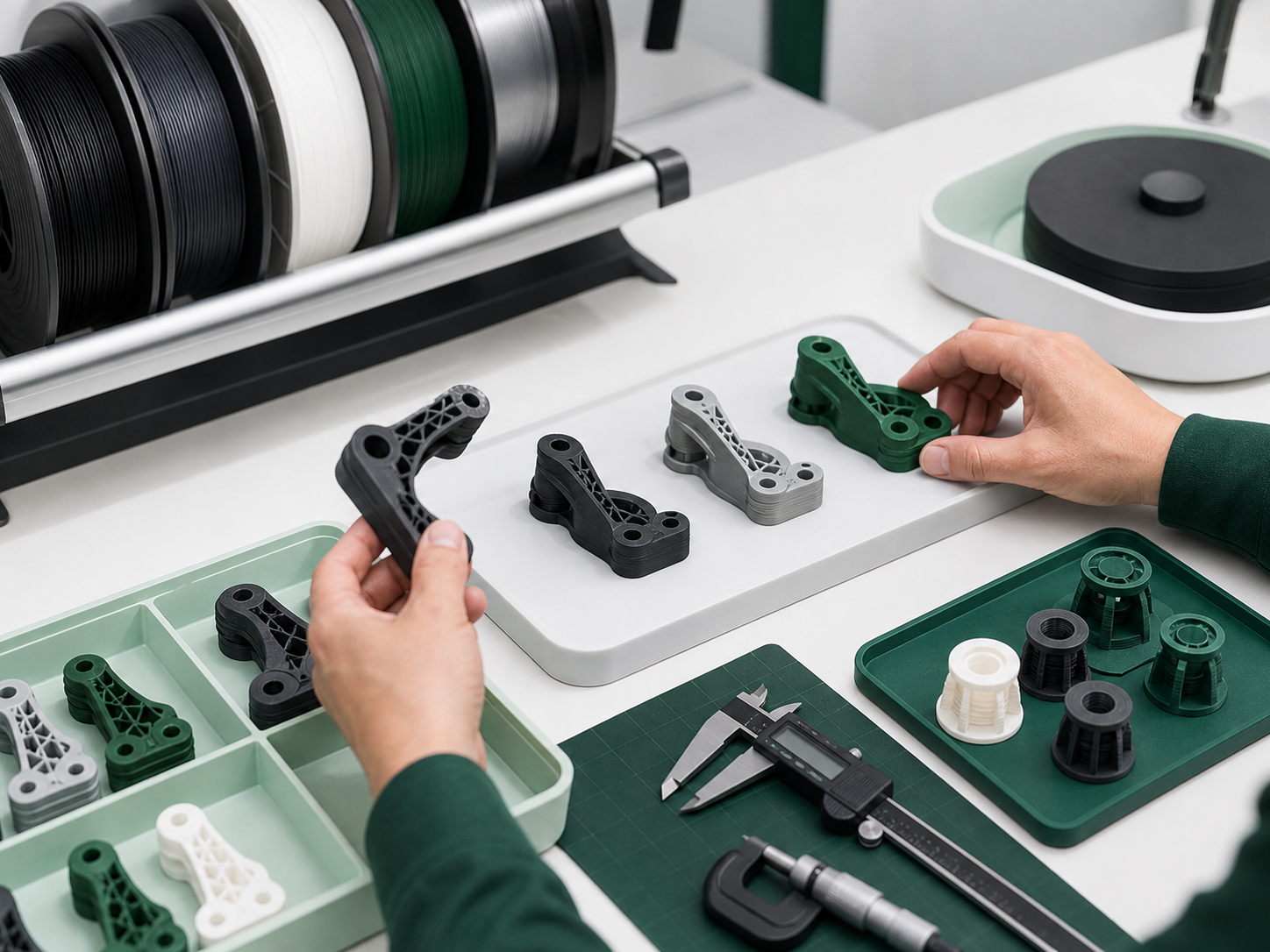
Technical review record
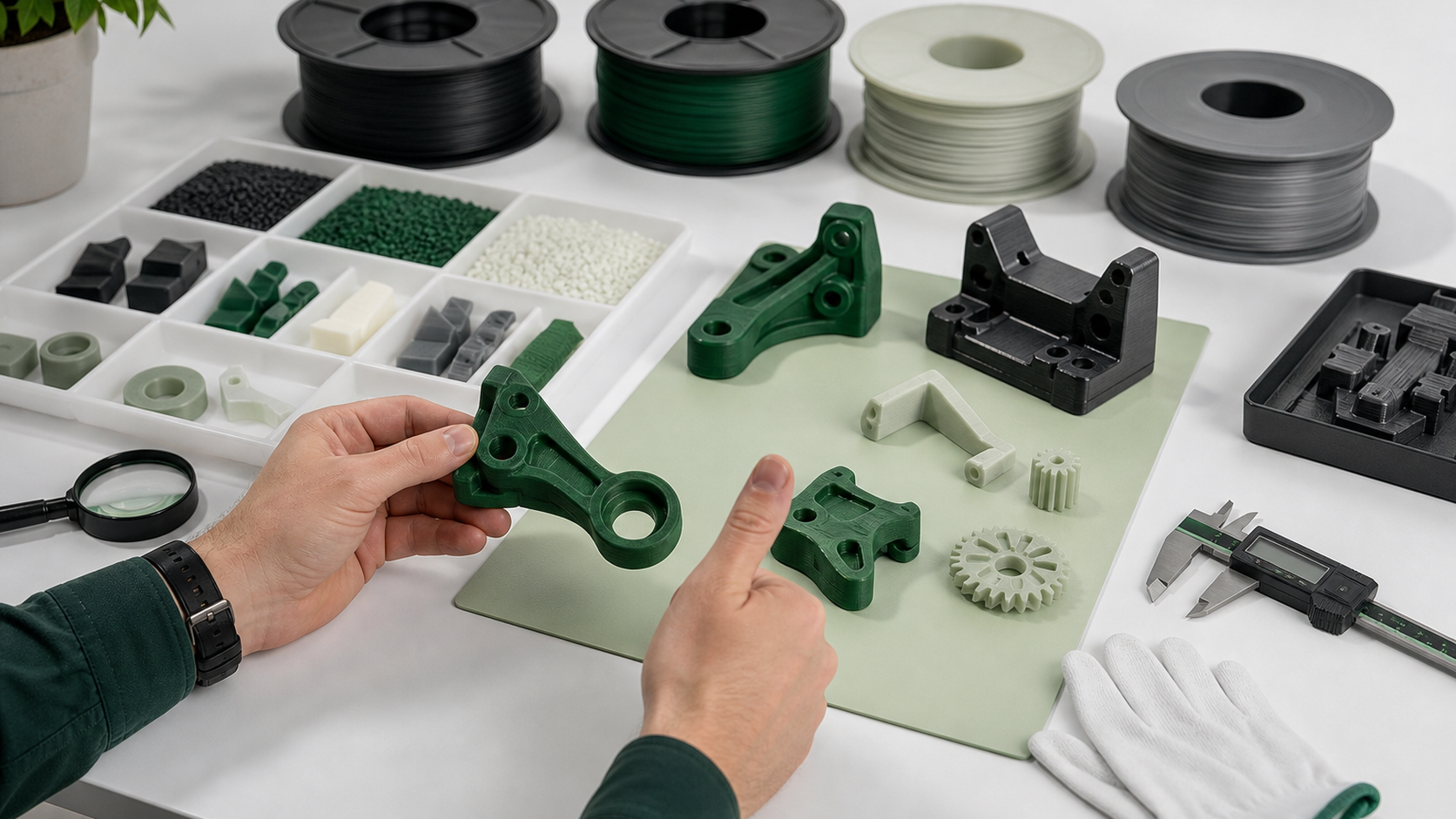
Functional-part review
Result
The output is a reviewable decision record, not a promise of price, availability, lead time, certification, or performance. A condition-linked shortlist tied to the stated printer and application boundary. A sample and evidence plan that avoids unsupported performance claims. A written release package for the selected grade and purchasing program. The record keeps the condition-linked shortlist, requested evidence, representative sample references, acceptance questions, packing criteria, deviations, and reviewer ownership together for continued evaluation without stating that any grade has passed, qualified, or achieved application performance.
See What's More
Continue with another filament program pattern.