Planning questions
A useful program starts by separating the business decision from unsupported assumptions. This pattern highlights the gaps a buyer should close before requesting volume supply.
- Small variation compounds across recurring production use.
Material, winding, spool, handling, storage, and part-use details can be recorded together because recurring production discussions may involve several machine groups, defined print settings, and changing work instructions. A single reference helps reviewers identify which conditions apply to each planned material and spool discussion within the shared record. - Unit cost alone omits operating and handling effects.
Purchase price does not describe every consideration in a repeat-supply discussion. Spool changes, handling steps, storage practices, part conditions, and review responsibilities can require separate visibility before a supply brief is prepared for a defined fleet and operating context used in subsequent internal review conversations as needed. - Fleet, checks, and reorder requirements need one record.
Without a shared record, fleet conditions, accepted handling information, batch or release notes, and planned reorder details may be reconsidered in separate conversations, making the current reference harder to locate for reviewers who need to compare future supply questions with existing material and spool references in context.
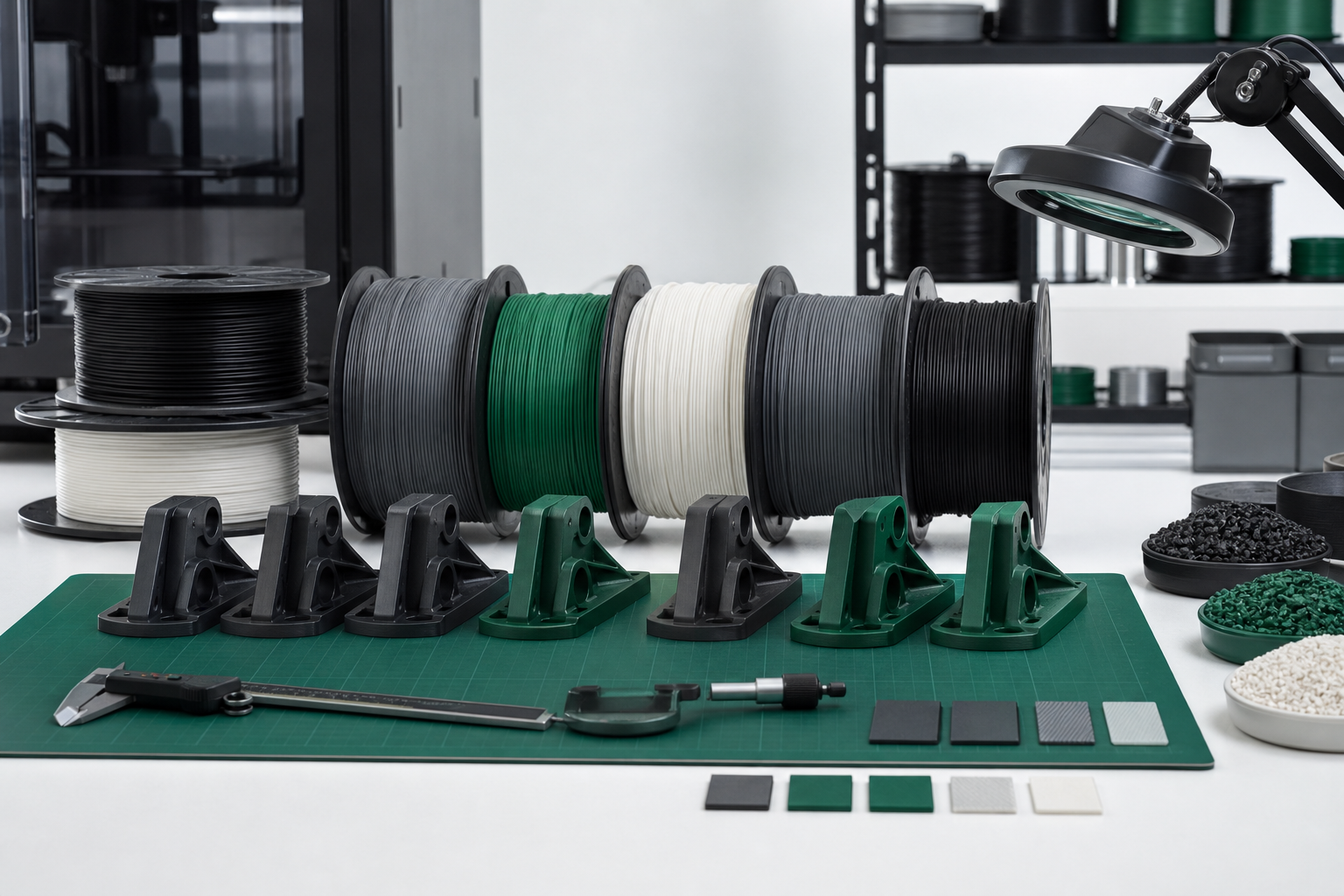
Keep the selected grade, representative printed sample, approval owner, and repeat-order reference together before commercial supply is confirmed.
Suggested planning route
A print-farm supply discussion can begin with the fleet profile, operating patterns, material categories, color needs, spool preferences, storage conditions, and the parts or services being considered. One reference can place these inputs so that recurring questions are visible across purchasing, production planning, and material review conversations. The reference can identify source files, discussion dates, revision markers, equipment groups, assumptions, and questions requiring clarification before details are treated as settled.
The working record can distinguish requested information from confirmed details. It may capture machine groups, nominal filament diameter, proposed grades, color references, spool format, packaging notes, delivery destination, and any sample or document requests supplied by the program team for follow-up. It can link each item to source context, ownership, timing for review, and unresolved notes within a shared record.
For repeat-supply planning, a handoff can preserve the current configuration reference, changes under discussion, and items still awaiting review. This creates a usable conversation trail without representing capacity, lead time, inventory status, performance, or supply continuity as established facts. It may include revision dates, file locations, approved terminology, stakeholder notes, sample references, packaging updates, location details, and a defined sequence for reviewing changes before further conversations among program participants.
Fleet and supply inputs

Repeat-supply review record

Supply handoff reference
Planning output
The output is a reviewable decision record, not a promise of price, availability, lead time, certification, or performance. A material and spool choice tied to operating conditions rather than catalog labels. Clear handling and batch checks for every repeat shipment. A replenishment brief based on stated use, destination, and reviewed release references. The record links the defined fleet, material and spool references, handling points, repeat checks, and replenishment brief so future supply discussions can start from the same stated conditions, open questions, and current version details without claiming operational output, consumption, delivery, or performance results.