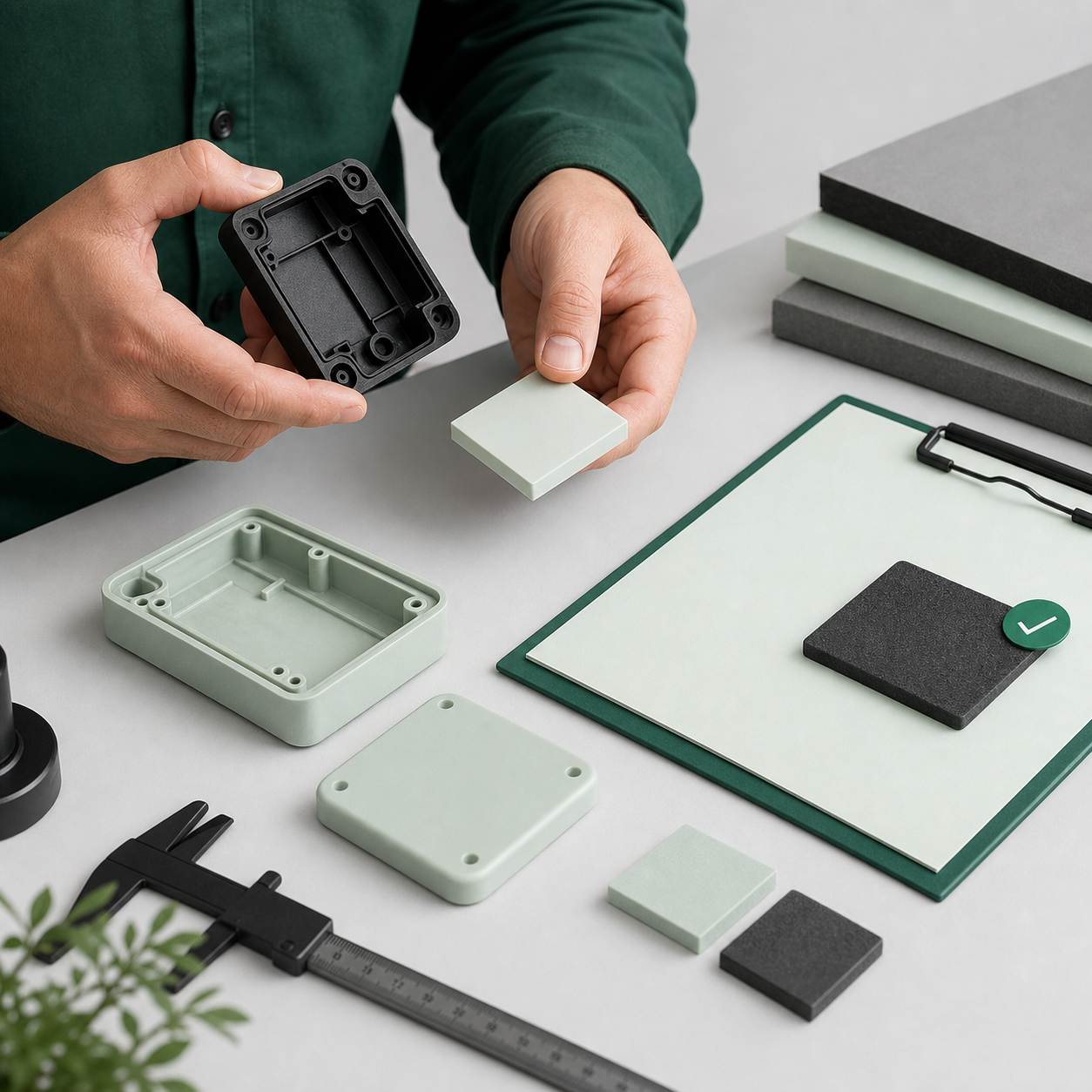
Printer and equipment brand
Qualify filament and starter bundles around the printer
Challenges
A useful program starts by separating the business decision from unsupported assumptions. This pattern highlights the gaps a buyer should close before requesting volume supply.
- A material name is not a compatibility decision.
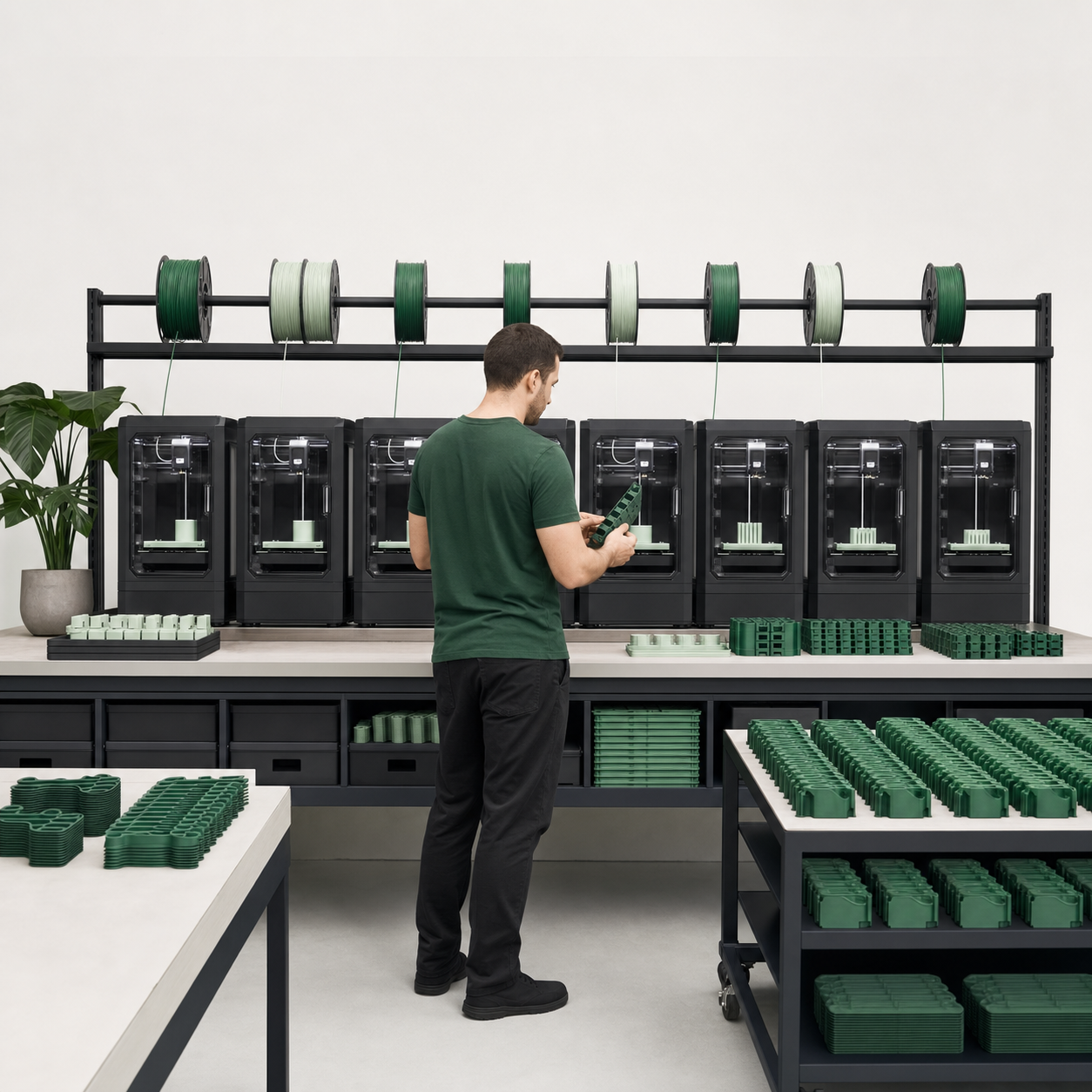
A review needs the named printer models, nozzle arrangement, build surface, intended part type, material grade, spool format, and starting configuration details kept in the same program context before any bundle reference is treated as settled during formal program review. - Fit depends on equipment, process, and part conditions.
Changes in feed path, nozzle, temperatures, speeds, chamber conditions, geometry, and intended use can alter what should be reviewed, so one material label cannot represent every proposed bundle without those stated conditions and review references for each program context in review. - Profiles and printed samples need one retained reference.
Starting profiles, sample identifiers, reviewer notes, and configuration changes can become disconnected when they are not retained beside the printer, material, spool, and presentation references for the program during later packaging, support, and bundle discussions for the defined program record.
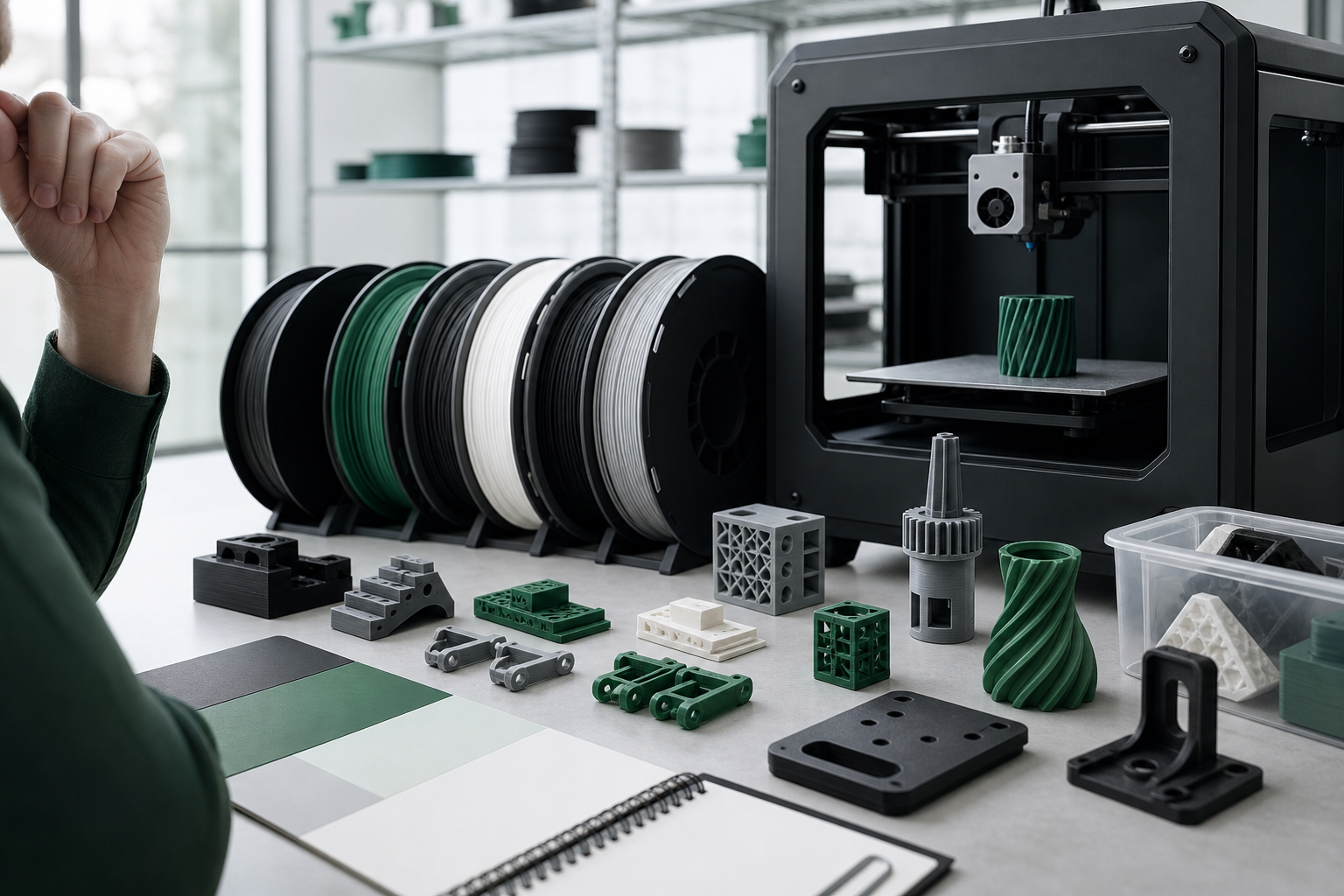
Keep the selected grade, representative printed sample, approval owner, and repeat-order reference together before commercial supply is confirmed.
Solutions
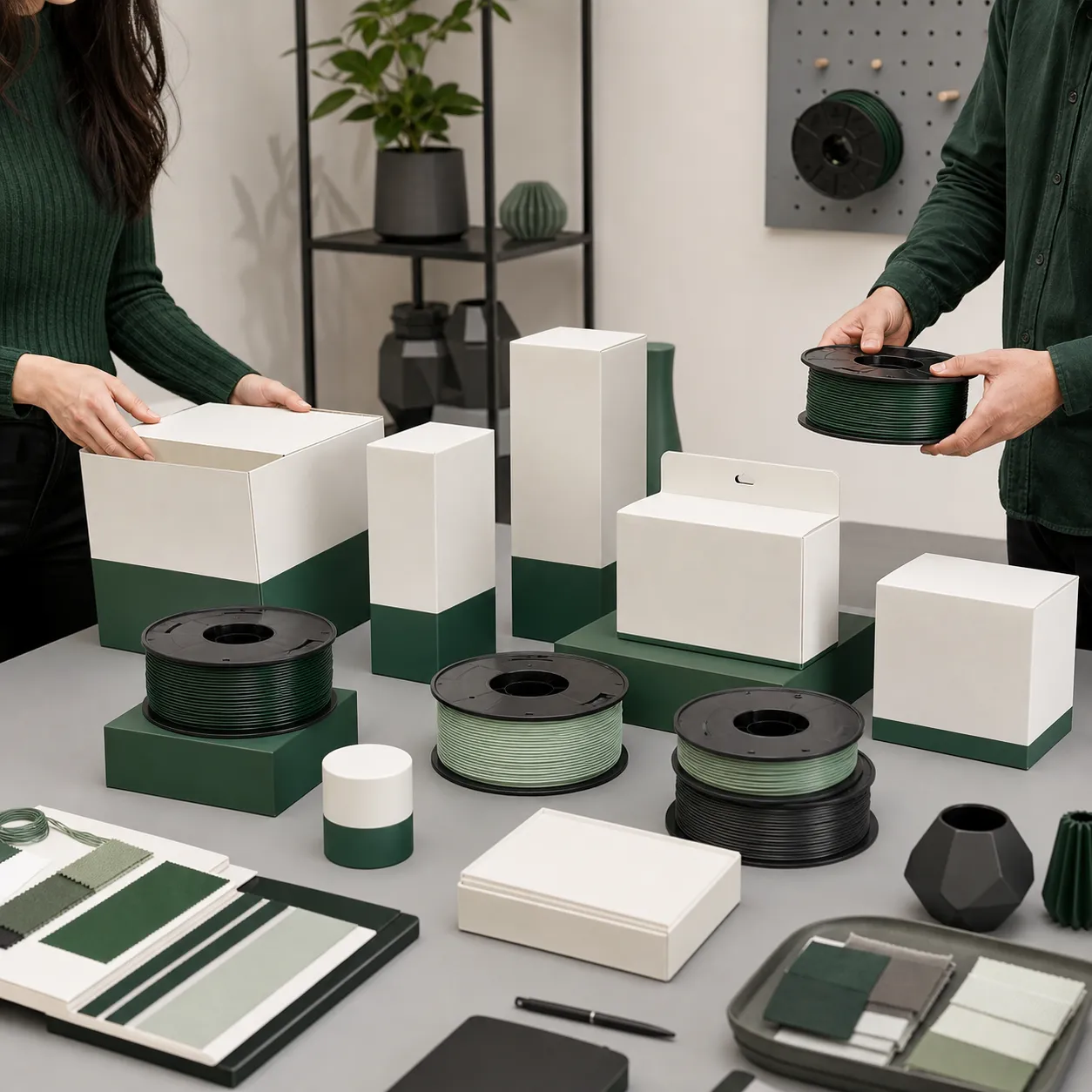
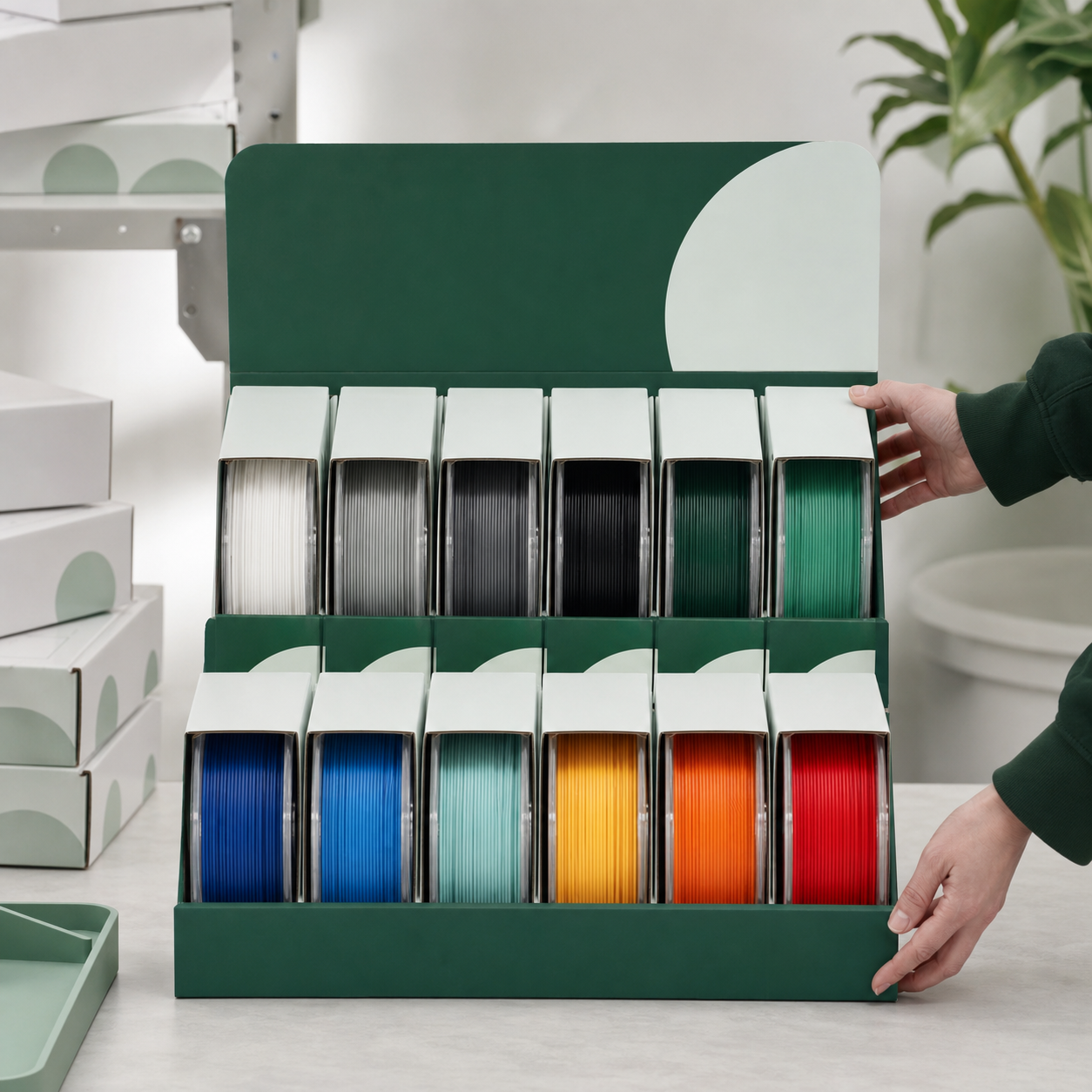
A printer program starts by describing the machines, typical users, intended applications, and the filament categories under consideration. Novtau can collect these inputs in a shared review so that material references, spool format, color choices, packaging direction, and documentation requests stay connected to the same program context throughout planning. This early structure supports clearer exchange among product, design, technical, and commercial contacts as the requested bundle scope is refined, compared, documented, and prepared for further internal discussion during subsequent program scoping.
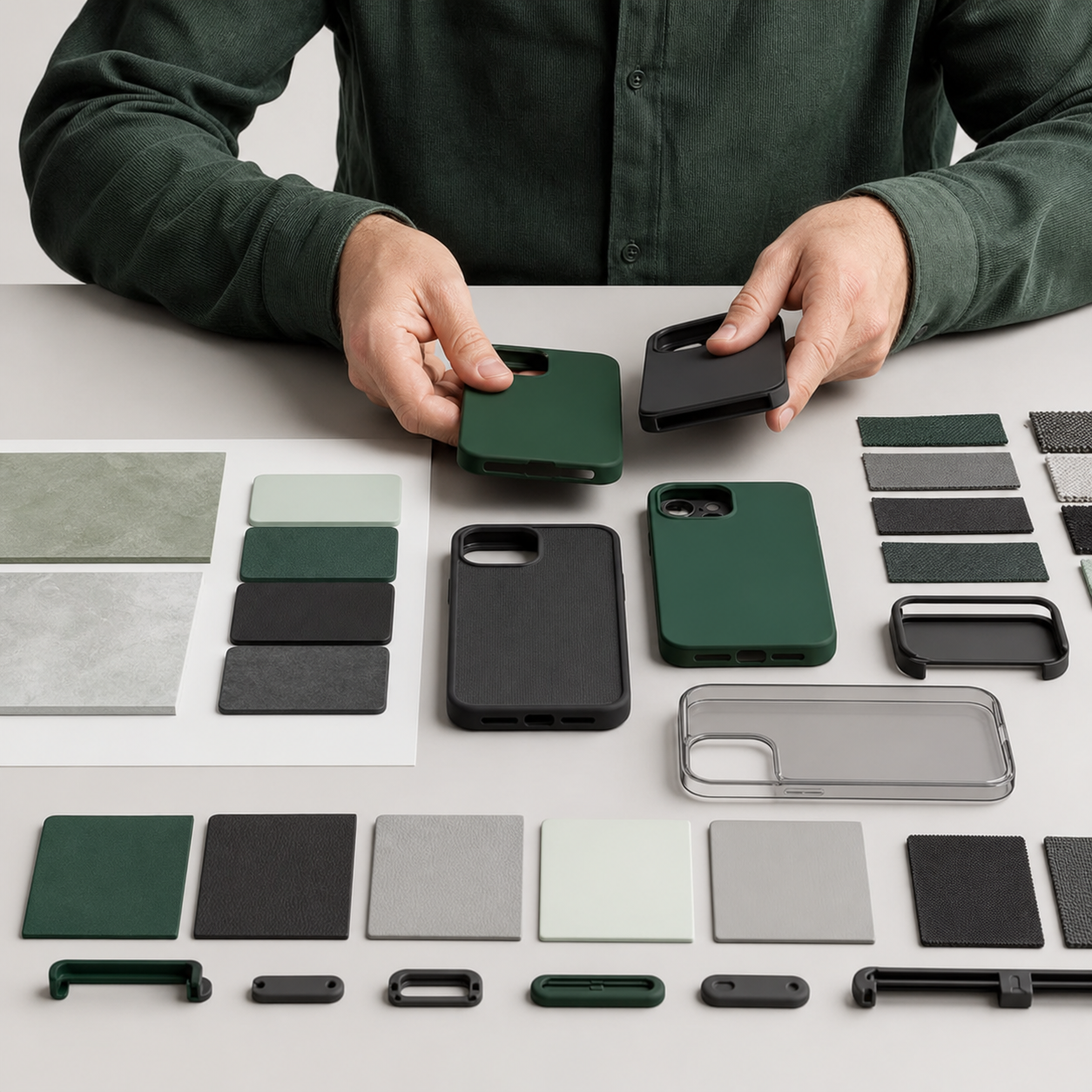
Rather than treating every printer bundle as a separate conversation, the program can list common elements and identify where a configuration differs. The record may include printer model references, nozzle or setup notes supplied by the requester, selected material families, nominal diameter, visual references, sample identifiers, packaging concepts, and any questions that need a documented response. This makes it easier to compare proposed bundle directions without presenting unverified material behavior or implied compatibility. It can show configuration names, related source files, reviewer comments, version history, open assumptions, requested documents, presentation needs, labeling direction, pack references, intended use descriptions, and the route for resolving individual questions before a more specific inquiry is prepared by responsible contacts.
When the inputs are complete enough for discussion, Novtau can prepare a review package that separates approved references from pending items. The package can support sample coordination, artwork discussion, internal signoff, and later inquiry details while leaving technical and commercial confirmation to the appropriate review steps. It can also preserve current references for future comparison during the next defined internal review conversation.
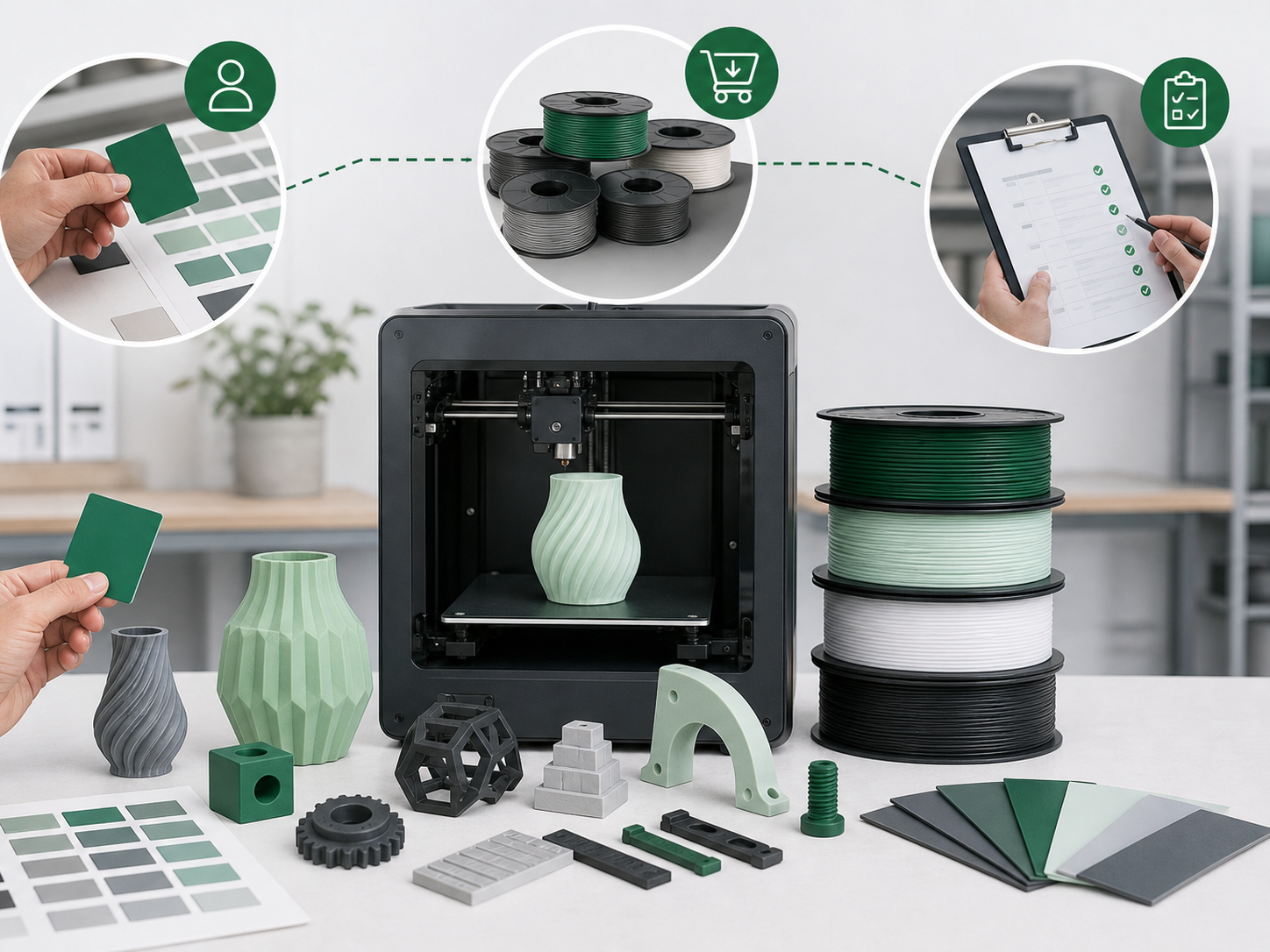
Printer program inputs
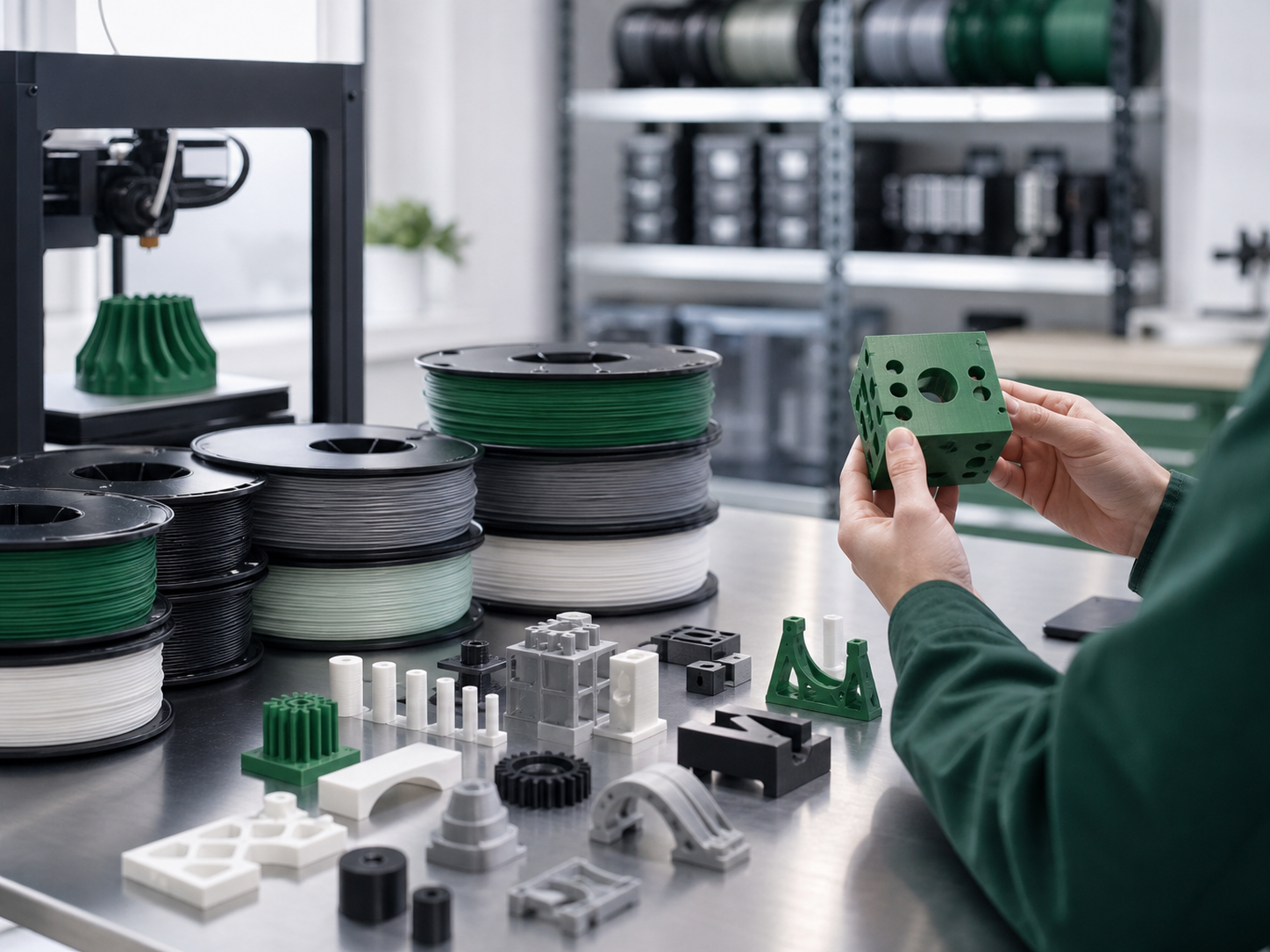
Material review across printer bundles
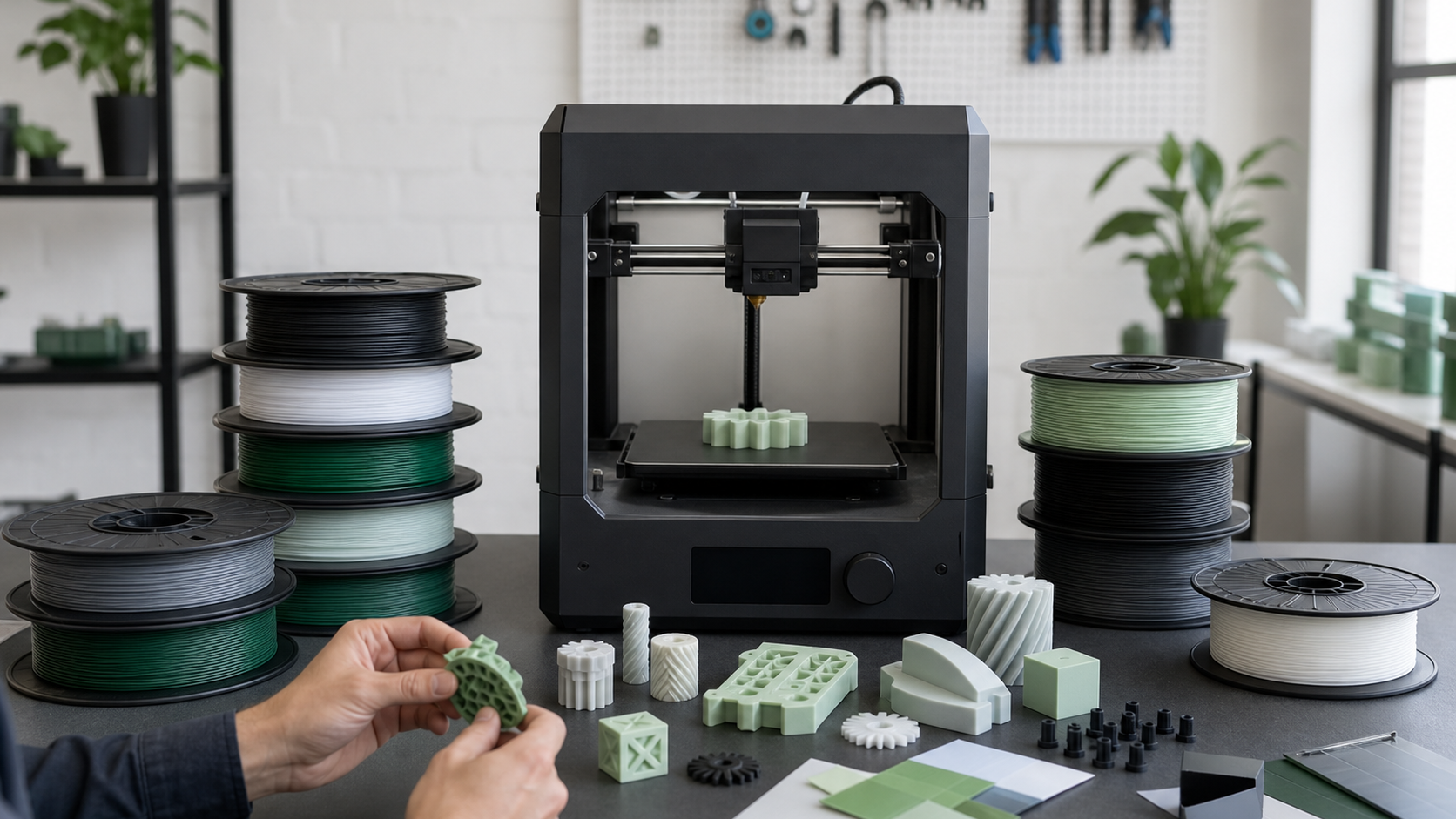
Starting-configuration review
Result
The output is a reviewable decision record, not a promise of price, availability, lead time, certification, or performance. A documented compatibility review rather than a generic compatibility claim. Starting settings and printed references connected to the selected material grade. A repeatable starter-bundle specification for future equipment shipments. The record links stated conditions, starting settings, samples, and bundle references without asserting compatibility beyond the reviewed context.
See What's More
Continue with another filament program pattern.