Private-label brand
Turn a private-label idea into one approved filament range

Challenges
A useful program starts by separating the business decision from unsupported assumptions. This pattern highlights the gaps a buyer should close before requesting volume supply.
- Range scope can fragment across separate decisions.
Without a shared brief, target users, material family, color direction, spool format, and proposed SKU roles may be reviewed in separate threads internally. - Artwork can move ahead of product and sample approval.
Labels and packaging files can progress before the selected grade, representative sample, and remaining product questions are identified for the same range. - Disconnected approvals weaken repeatability.
When decisions remain in separate files or messages, teams may not have one dated reference that links product, artwork, packaging, and ownership review for later reuse.

Keep the selected grade, representative printed sample, approval owner, and repeat-order reference together before commercial supply is confirmed.
Solutions
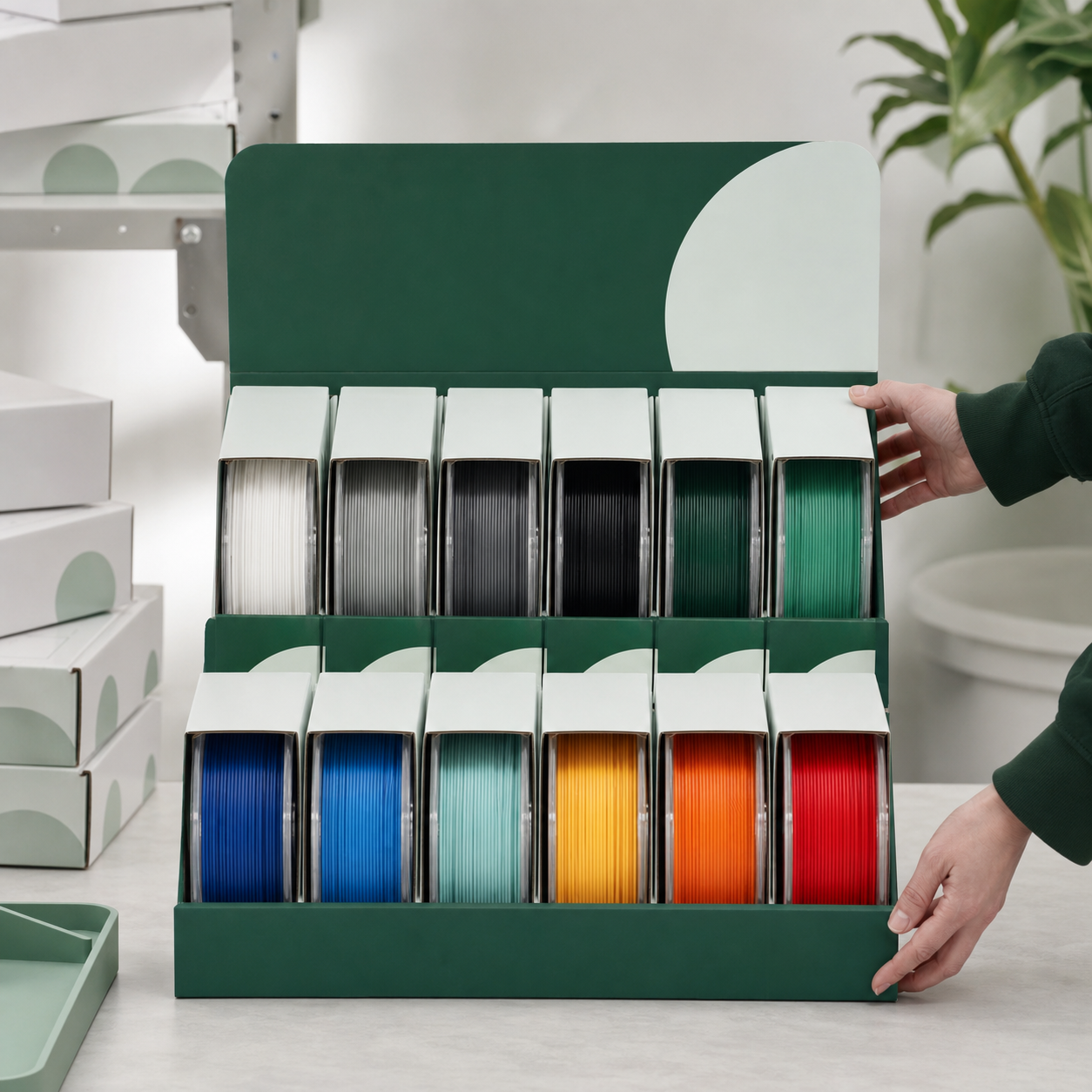
A private-label filament range begins with a shared brief that connects intended users, material families, color direction, diameter, spool format, packaging references, and the role of each proposed item. Keeping these choices together gives every conversation a common scope and makes later review easier to trace across product, pack, and communication materials. It also aligns terminology, references, decisions, and responsibilities consistently.
Novtau can organize the inputs as a working record: selected grades, color references, spool details, artwork files, label information, barcode needs, carton notes, and destination requirements. The record is a planning tool, not a confirmation of any product detail in discussion. It can show current sources, revision dates, questions, and dependencies for orderly comparison.
As samples, visuals, and packaging references are discussed, the range can retain dated decisions and open questions. A final review record helps distinguish agreed reference material from items that still require confirmation before any supply conversation proceeds today.

Range inputs and references

Range review record
Result
The output is a reviewable decision record, not a promise of price, availability, lead time, certification, or performance. A focused opening assortment instead of an unbounded product list. Written sample and artwork review points linked to each selected reference grade. A repeat-order reference covering product identity, pack format, destination, and reviewed changes. The record keeps the opening range, linked review points, and repeat-order reference together for later review without presenting launch or sales outcomes.
See What's More
Continue with another filament program pattern.