
Bulk TPU Filament Qualification Checklist
Prepare one exact-grade bulk TPU brief with part, printer, feeder, sample, document, pack and repeat-review inputs. Exact project facts require written confirmation.
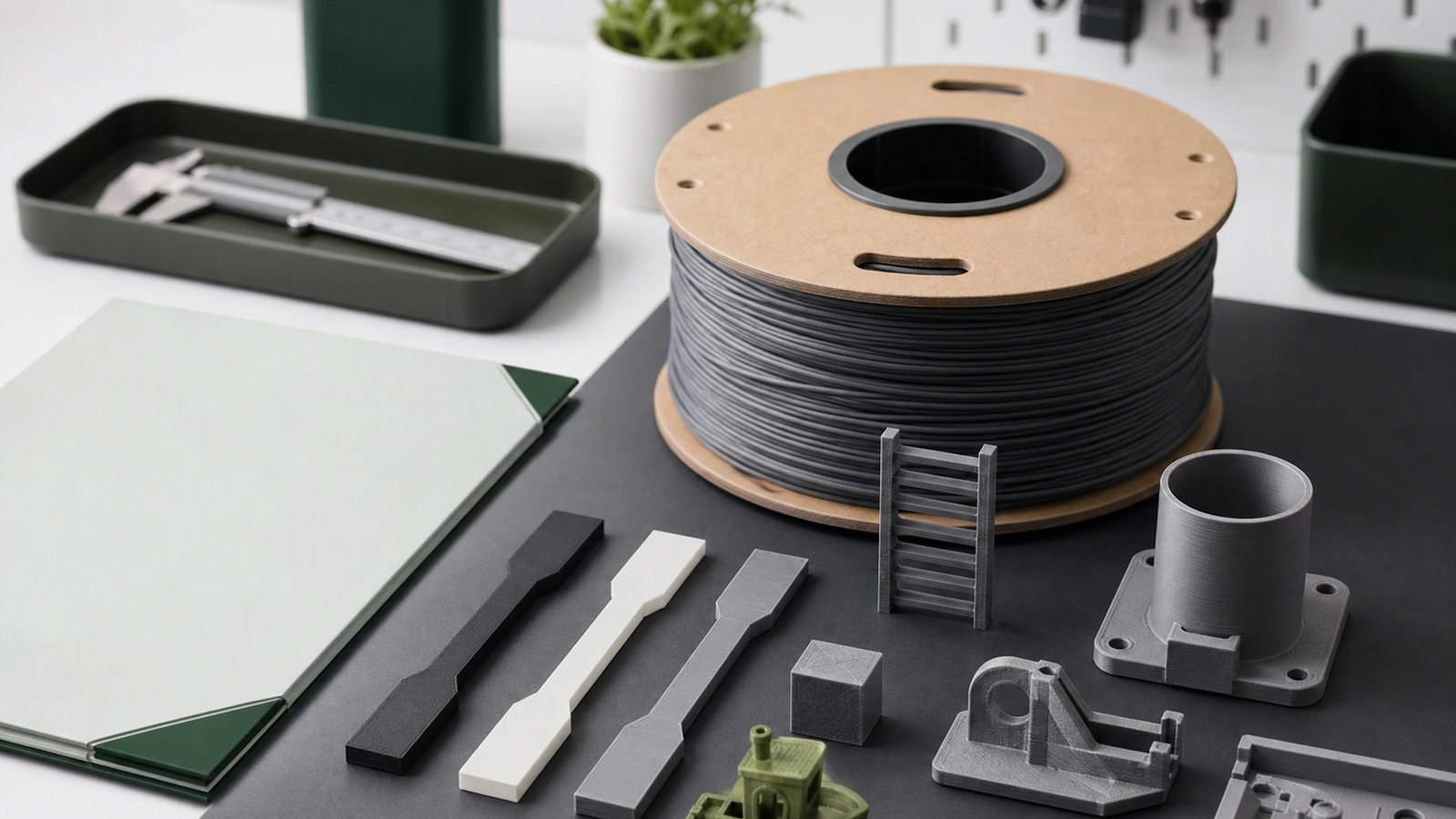
Prepare one exact-grade bulk TPU brief with part, printer, feeder, sample, document, pack and repeat-review inputs. Exact project facts require written confirmation.
- Catalog record or undecided grade
- Proposed SKU identifier
- Exact-grade question
- Part function and deformation question
- Representative geometry
Use this outline to make a supplier conversation specific. Keep fixed requirements separate from open questions, and treat the selected grade, documents, sample route, commercial scope, and release record as written project confirmations.
Identify one exact-grade question
Link to the relevant catalog record, or mark the grade undecided, without treating the record as available.
Put these details in the brief
- Catalog record or undecided grade
- Proposed SKU identifier
- Exact-grade question
Record the part and printer evidence boundary
Capture the buyer's part function, expected deformation, geometry, printer, feeder path, nozzle, profile owner, and operating constraints as pending review inputs.
Put these details in the brief
- Part function and deformation question
- Representative geometry
- Printer, feeder path, nozzle, profile, and constraints
Define the representative sample record
Define the proposed SKU, sample part, conditions, reviewer, observations, acceptance question, and unresolved points without promising access or outcomes.
Put these details in the brief
- Sample part and conditions
- Reviewer and observations
- Acceptance question and unresolved points
Attach document and commercial questions
List requested files, destination, buyer forecast and use-period inputs, and pack, label, carton, receiving, and storage questions.
Put these details in the brief
- Requested files and destination context
- Buyer-supplied forecast and use period
- Pack, label, carton, receiving, and storage questions
Set exact-grade change triggers
Reopen the review when grade, hardness question, feeder path, geometry, profile, pack, destination, document scope, or approval reference changes.
Put these details in the brief
- Grade and hardness-question changes
- Printer, feeder, geometry, and profile changes
- Pack, destination, document, and approval changes
Complete the bulk buying brief
Use the bulk buying guide to add SKU demand, forecast, pack, file, and replenishment details to the TPU review.
Put these details in the brief
- Bulk buying brief reference
- TPU-specific qualification record
- Owner of the next written review
Buyer questions
What should a buyer prepare before a bulk TPU review?
Prepare one exact-grade question and attach the part function, representative geometry, printer and feeder path, profile, sample method, requested documents, pack questions, buyer forecast range, and change triggers. These are buyer inputs, not confirmed product capabilities.
Does a TPU catalog record confirm hardness or printer compatibility?
No. Check hardness and printer suitability for the exact grade using the proposed feeder path, part geometry, and review conditions.
Can one sample approve every TPU part or printer path?
Record the part geometry, printer, feeder path, profile, conditions, and acceptance criteria the sample covers. Review other parts or printer setups separately.
Does this checklist publish a bulk TPU MOQ or lead time?
No. Request the minimum quantity, price, availability, production and delivery schedule, and replenishment terms for your proposed configuration in writing.
When should the TPU qualification record be reviewed again?
Review it again when the grade, hardness question, feeder path, geometry, profile, pack, destination, requested documents, or acceptance reference changes.
Record the owner, accepted reference, open question, and decision date for each item that changes qualification or repeat ordering.
Browse more resources Bulk buying guide
Build a bulk buying brief around the SKU
Novtau technical team · 4 min read
 Material selection guide
Match material to the part and printer
Novtau technical team · 20 min read
 Program examples
Review filament program patterns
Novtau technical team · Planning library