
Filament Batch Quality, Inspection Records and Release Brief
Define material identity, in-process checks, approval samples, release records, packing references, and deviation handling for repeat filament purchasing.
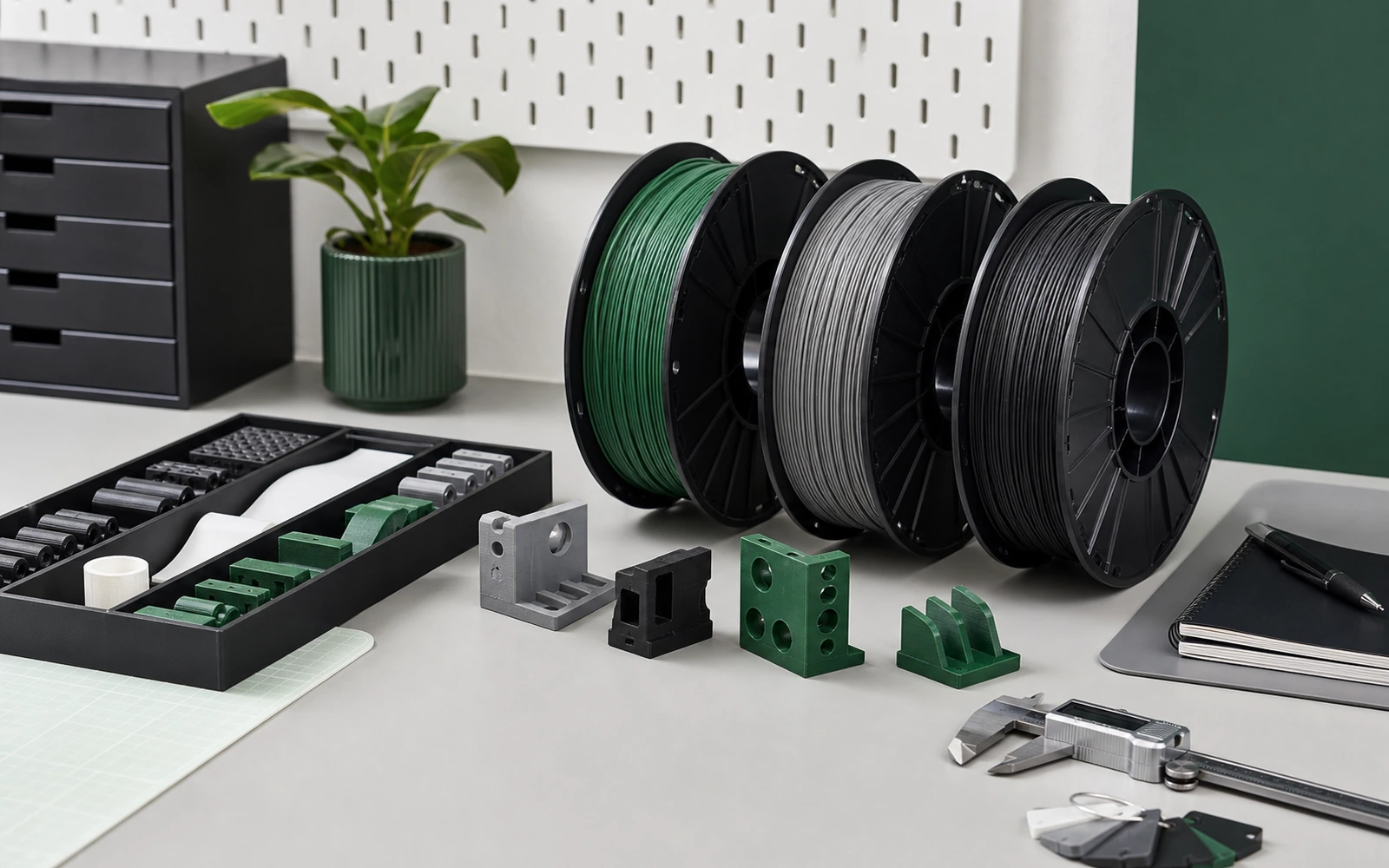
Define material identity, in-process checks, approval samples, release records, packing references, and deviation handling for repeat filament purchasing.
- Family, grade, diameter, color code, and spool configuration
- Approved filament and printed-part samples
- Label, carton, artwork, and packing references
- Applicable document title, version, date, and grade coverage
- Diameter and ovality method
A repeat-order quality discussion starts with product identity and an agreed way to compare references. Instead of asking for a general assurance, define what configuration is under review, which characteristics matter, how observations are recorded, who reviews a deviation, and what reference is retained for the next order.
This outline is a planning framework. It does not publish a universal inspection plan or show that a grade, lot, document, or printed part meets a requirement. Project evidence comes from the exact grade, written requirements, approved samples, inspection records, and commercial review.
Identify the approved configuration and its references
Every review should start with an exact identity. Record the material family and grade question, diameter, color or effect reference, spool format, label, carton, market, and documents that belong together. A family-level name or color photograph cannot stand in for this full identity.
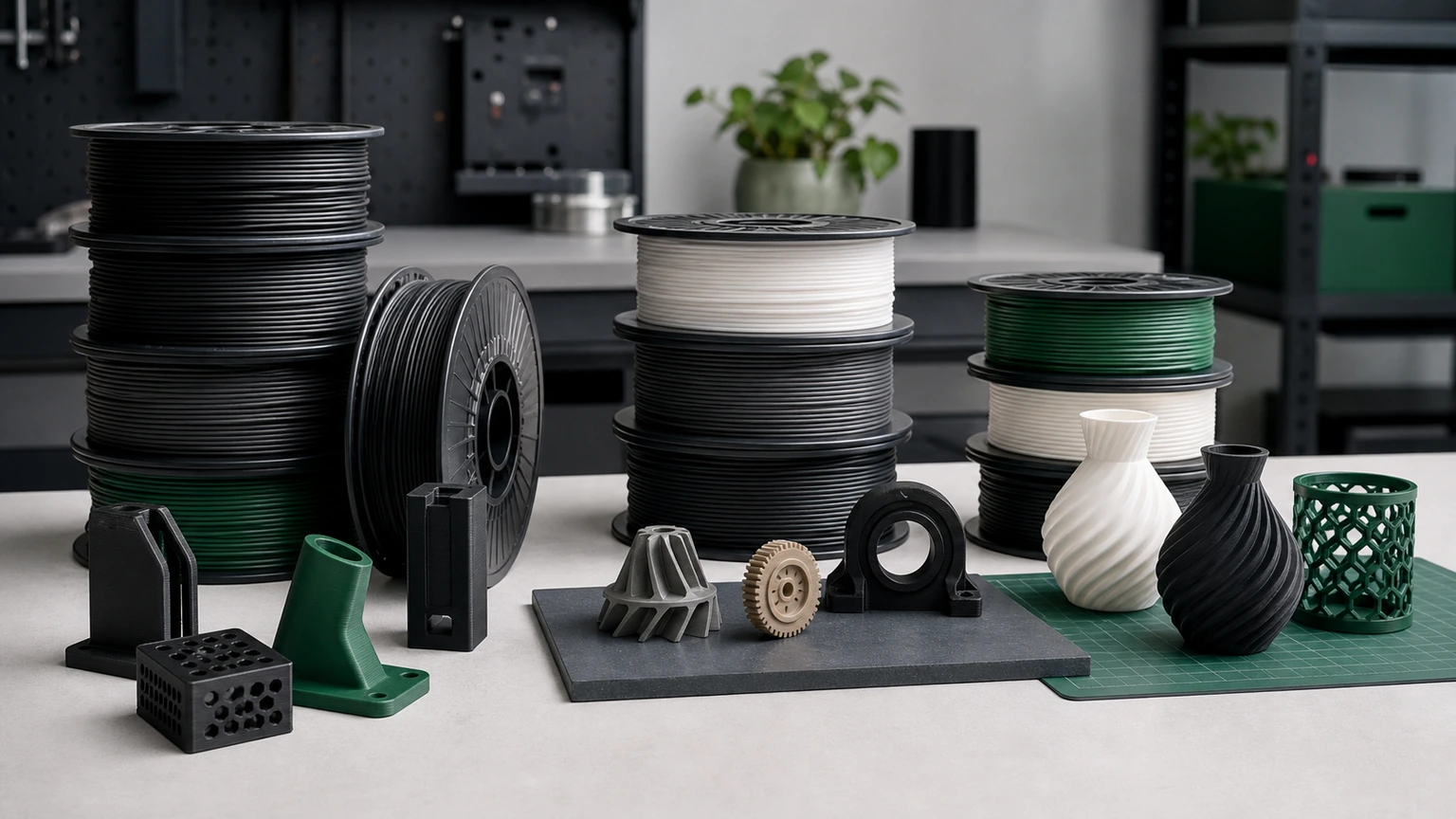
Retain the physical filament sample, representative printed part, approved visual reference, and written configuration record as separate but linked review objects. Name the owner and storage location for each reference.
Name the configuration without merging separate items
Use separate identifiers for material, grade question, color reference, diameter, spool, label, carton, and pack route when they may change independently.
If the buyer is comparing variants, record each one separately rather than combining them into a single generic material name.
List the intended printer and representative part where they affect the review. This helps distinguish a material identity question from a printing-process question.
Retain physical and written approval references
Identify the filament sample, printed reference part, artwork or label proof, carton reference, and document version that a reviewer will use. State where each reference is held and who can confirm its status.
A retained sample is a comparison aid. It does not prove that another batch, grade, market, or printed geometry will have the same outcome.
The next review scene asks whether every retained object points to one configuration and whether a named owner can retrieve it later.
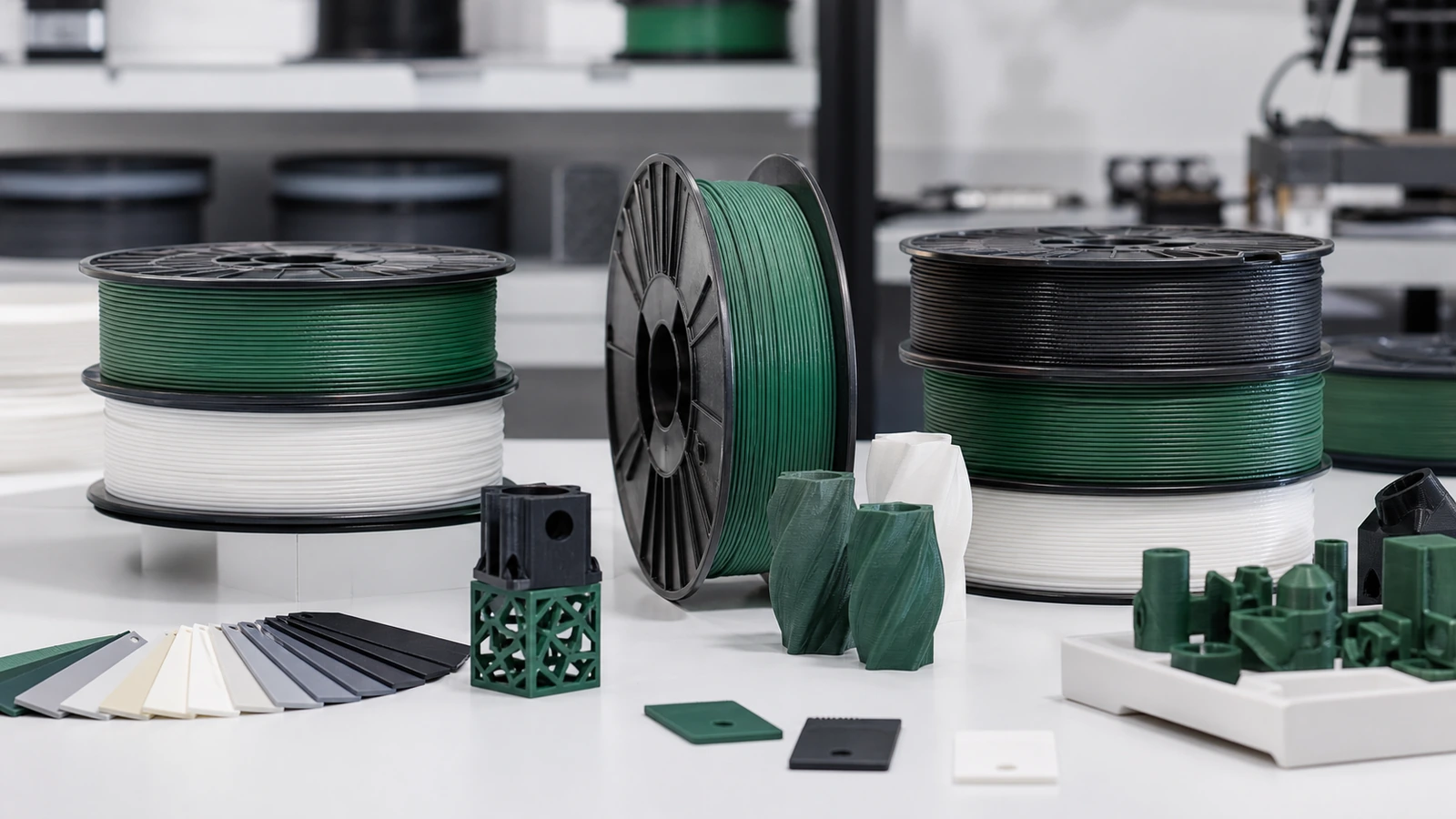
Design an inspection plan that names methods and owners
Quality language becomes more useful when each requested observation has a method, reference, sample route, record, and reviewer. The plan may include material identity, diameter, ovality, net weight, winding, pack condition, moisture-handling questions, color reference, or printed-part observations when they apply to the selected grade and application.
Do not publish an acceptance number unless it is supported by the project's applicable written requirement.
Where a limit is not yet defined, record the characteristic and decision owner instead of inventing a tolerance.
Pair every requested check with a comparison method
For each characteristic, state what will be checked, which equipment or reference is used, how the sample is selected, and how the observation is recorded. A request for consistent quality should be translated into observable review points.
Separate supplier-provided grade information from the buyer's own part or printer validation. Both may be useful, but they answer different questions.
The next scene frames the method question: what is checked, which reference is used, who records it, and where the result is handed off.
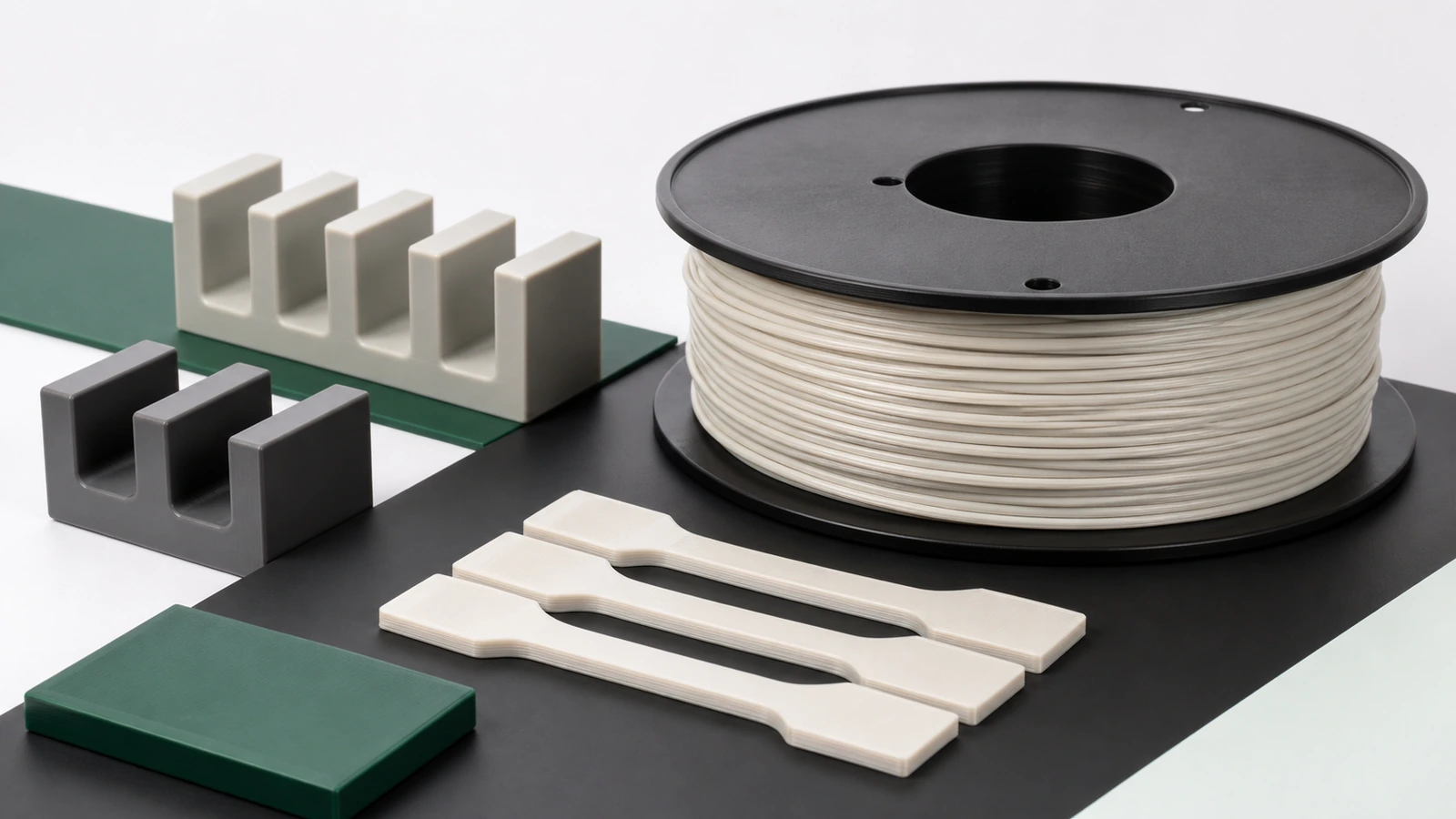
Define sampling, record ownership, and printed-part review
Name the sampling route, retained record, release reviewer, and storage location for the evidence requested by the buyer. When a review involves multiple locations or teams, record how the same lot and configuration identifier will be recognized.
A clear owner prevents a record from being treated as final simply because it exists. The approval route should identify who can accept an observation, request clarification, or open a deviation review.
If a printed part is included, state its printer, profile starting point, orientation, conditioning, geometry, and observation route. A result on one part does not automatically transfer to another printer or use case.
Use printed parts to make the buyer's actual decision visible. Do not label them as a universal performance claim.
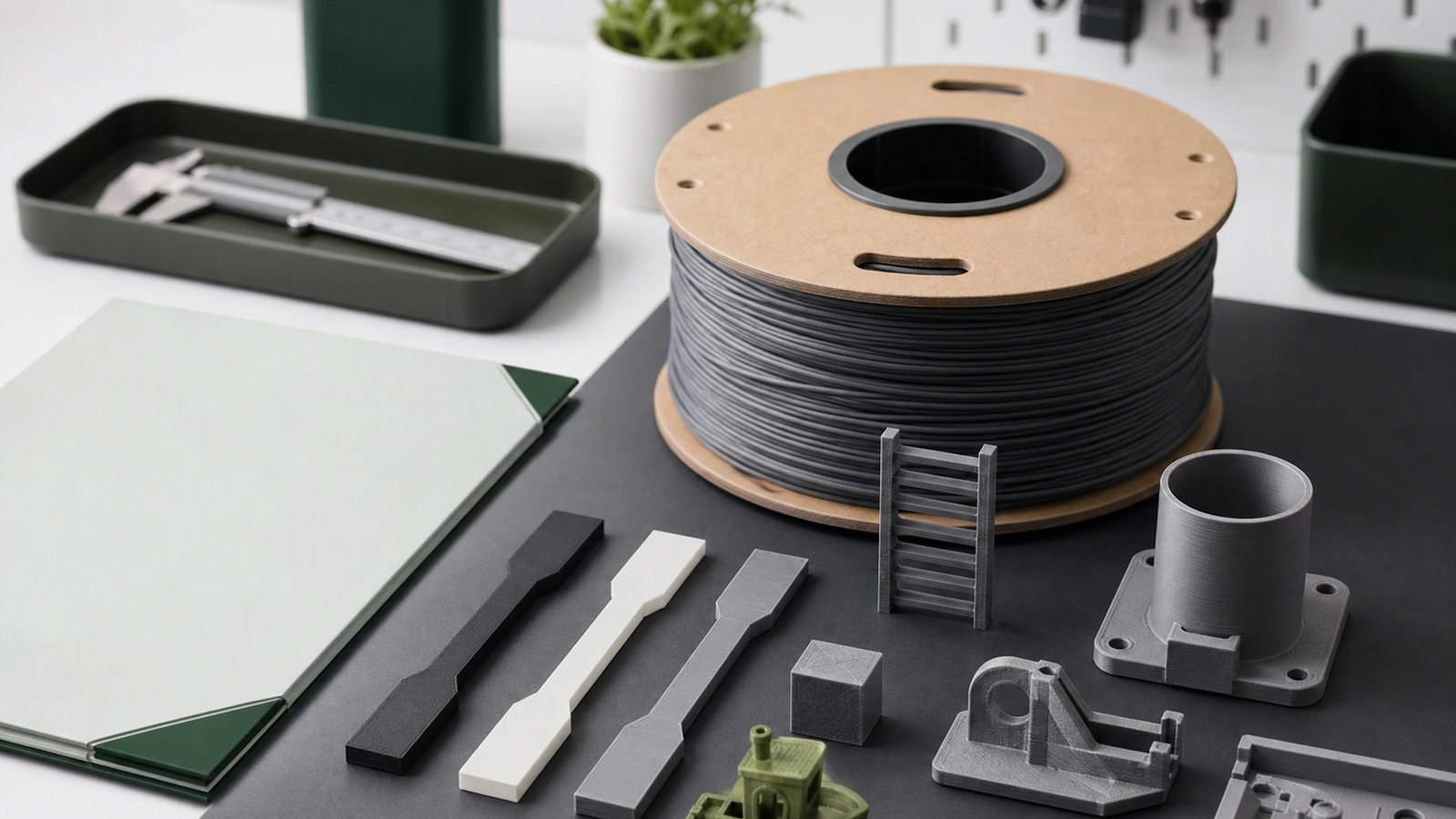
The next scene connects a representative printed part to its printer path, observation question, retained material sample, and record owner.
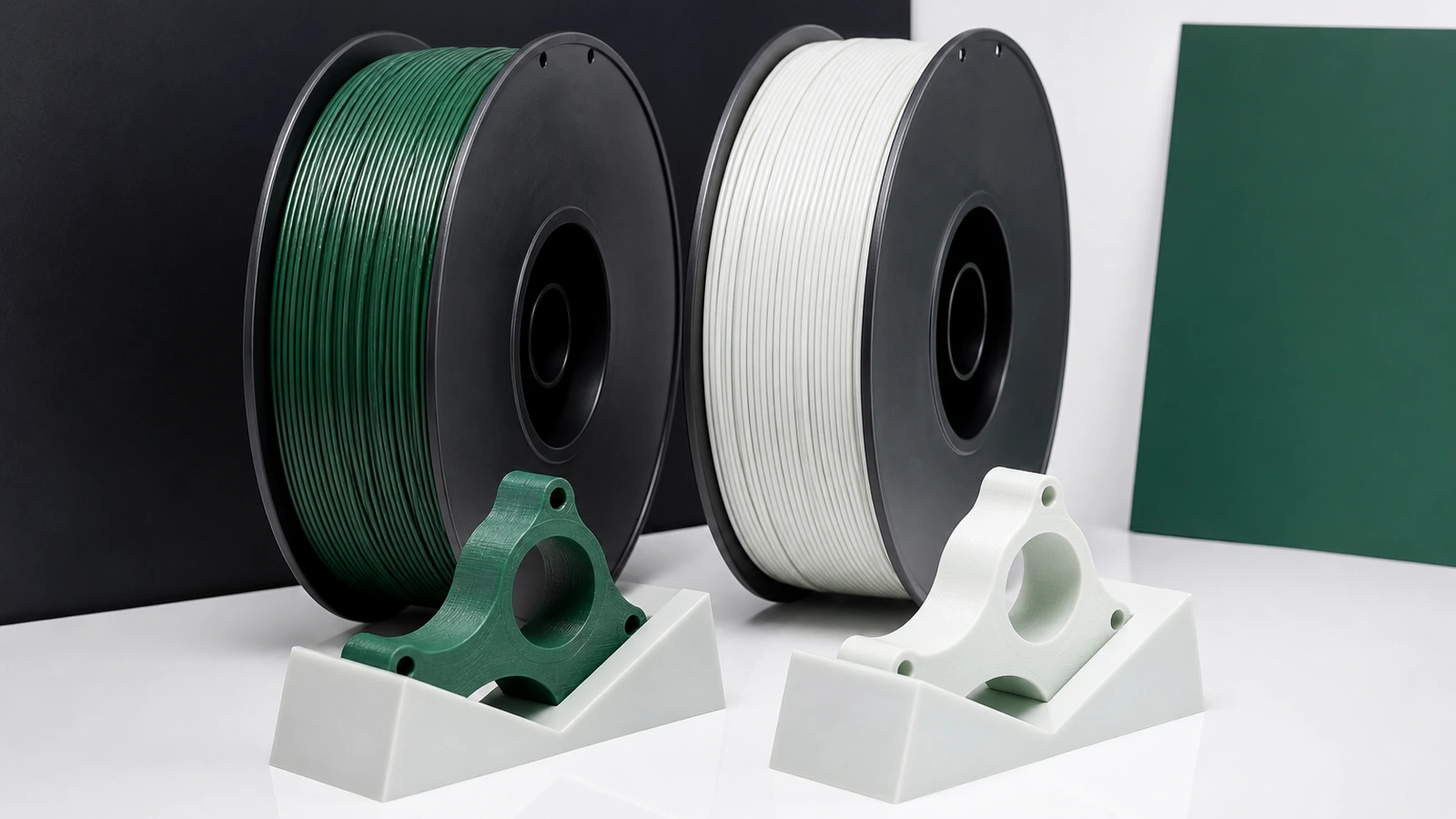
Retained evidence should travel with a visible configuration reference and a named owner. The handoff supports later comparison without turning an illustrative record into proof of release.
Connect release evidence to shipment and handoff
Release review should connect the identified configuration to the records requested for that order.
State which information needs to travel with the material, which reference stays with the buyer, and how a reviewer can connect a spool, carton, lot reference, and written record.
Keep shipment and pack review within the agreed order boundary. Record the spool, barrier protection, label, carton, pallet, destination, and handoff questions that apply without implying a universal packing method.
Make the release decision reviewable
Record the release owner, date, configuration identifier, requested evidence, open questions, and disposition. If a required reference is missing, mark the decision as open rather than treating an incomplete record as approval.
Where documents are requested, verify title, version, issuer, grade coverage, language, and market relevance before linking them to the configuration.
Link lot, spool, pack, and shipment references
Define how the lot or shipment reference is associated with the spool label, carton identity, approved samples, and record set. This creates a practical route for later questions without claiming that every item is traceable in the same way.
Keep the requested sales pack and transport protection visible if they could affect handling, labeling, or reference retrieval after receipt.
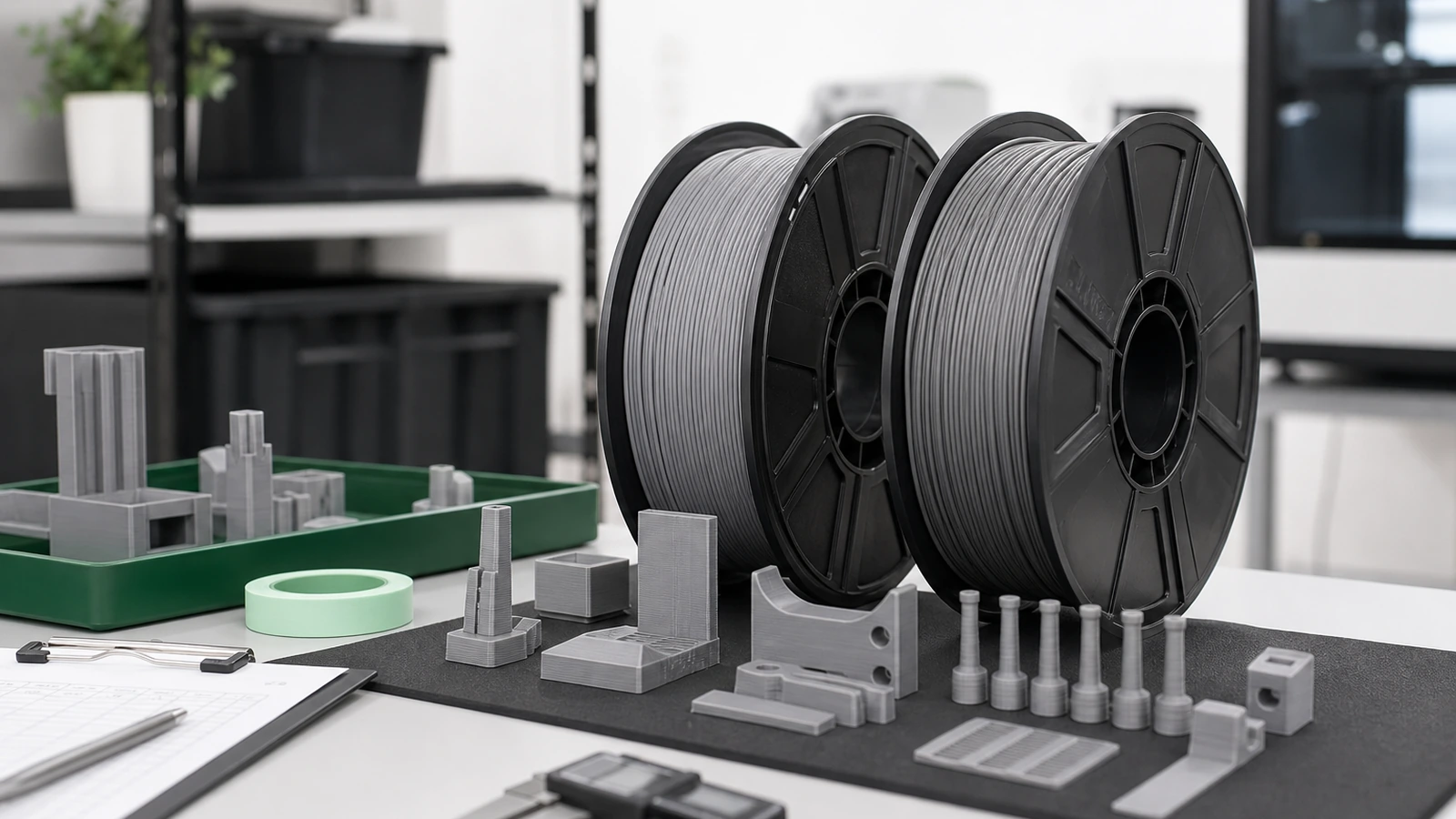
The next scene asks whether the shipment handoff preserves the configuration, retained samples, pack references, and named release record together.
Control deviations, changes, and repeat-order continuity
A deviation process should make the affected reference visible before a replacement is accepted.
Record the observed issue, material identity, affected lot or shipment reference, evidence supplied, reviewer, containment question, and next decision. Do not assume a complaint identifies the cause or outcome.
Maintain a controlled-change record that links the prior configuration, proposed difference, affected references, reason for review, responsible owners, required rechecks, open disposition, and the identifier used after acceptance.
Record a deviation as a review question
Describe the difference from the accepted reference, the evidence available, and the reviewers who need to assess it. Keep the original sample or record available until the decision is complete.
Use neutral language such as review requested, reference comparison, or open disposition. Avoid assigning fault or stating that a replacement will be supplied.
Preserve the repeat-order reference through change
For a future order, retain the exact reviewed configuration, sample route, document version, label and carton reference, and written commercial record. When a change is proposed, connect the new reference to the earlier one and state what must be checked again.
This approach helps a buyer ask a focused repeat-order question without treating a previous review as permanent approval for a different configuration.
Brief prompts
- Which exact reference is affected by this question or change?
- Which owner reviews the evidence and records the decision?
- What sample, document, or pack reference must be compared again?
- Which identifier will distinguish the accepted configuration from a changed one?
 Material selection guide
Match material to the part and printer
Novtau technical team · 20 min read
 Private-label checklist
Define one sellable SKU before artwork
Novtau technical team · 8 min read
 Program examples
Review filament program patterns
Novtau technical team · Planning library